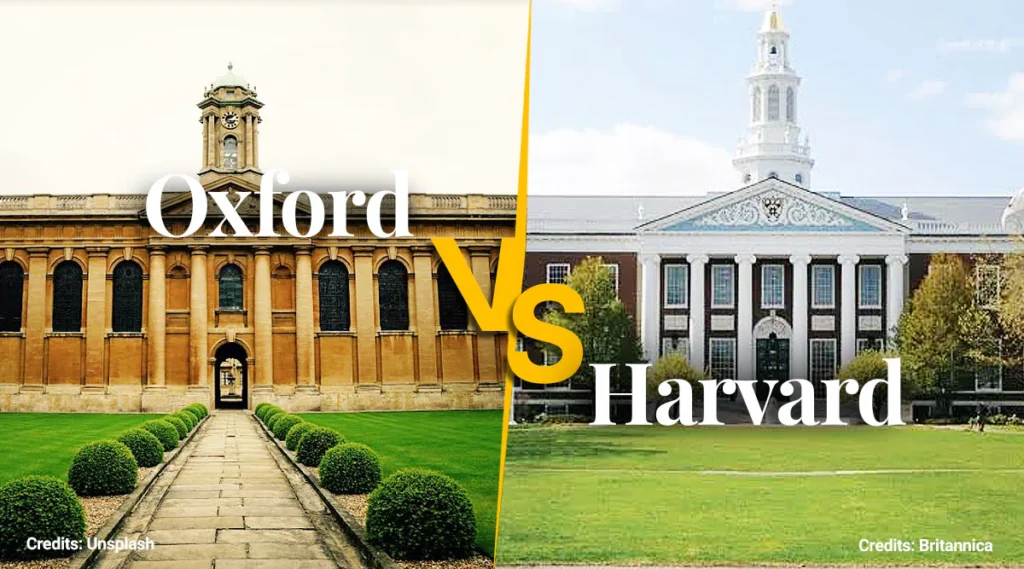
Choosing between Harvard University and the University of Oxford is a dream dilemma for many students. Both institutions are symbols of academic excellence, global prestige, and leadership. However, student life at these two universities differs in structure, culture, and overall experience. Deciding which is “better” depends largely on personal preferences, academic goals, and lifestyle expectations.
Harvard University, located in Cambridge, Massachusetts, is one of the most well-known universities in the United States. It is part of the Ivy League and is famous for its strong focus on research, innovation, and leadership development. Harvard offers a flexible academic system. Undergraduate students usually explore a variety of subjects before selecting their concentration (major). This allows students to discover their interests and even combine different academic fields. The American system encourages interdisciplinary learning, creativity, and classroom participation.
Campus life at Harvard is vibrant and diverse. Students live in residential houses that create a strong sense of community. There are hundreds of clubs, organizations, and student groups covering interests such as politics, entrepreneurship, arts, and sports. Athletics also play a visible role in campus culture. Students often attend sports events and social gatherings, making campus life energetic and interactive. Networking opportunities are abundant, and students frequently interact with guest speakers, entrepreneurs, and global leaders.
On the other hand, University of Oxford represents centuries of academic tradition in the United Kingdom. Located in Oxford, England, the university is famous for its historic colleges, tutorial system, and rigorous academic standards. Unlike Harvard’s flexible approach, Oxford requires students to apply for a specific course. From the first day, students focus deeply on their chosen subject. This system benefits those who are certain about their academic interests.
One of the most distinctive features of Oxford is its tutorial system. Students meet weekly in small groups or one-on-one sessions with expert tutors. These tutorials involve in-depth discussions, essay presentations, and critical analysis. This method encourages independent thinking and intellectual confidence. The workload can be intense, and students are expected to manage their time effectively.
Oxford’s college system also shapes student life. Each student belongs to a college, which provides accommodation, dining halls, libraries, and social spaces. This creates a close-knit academic community within the larger university. While Oxford may appear more academically focused than Harvard, it still offers numerous student societies, cultural events, and sports activities. Traditional events such as formal dinners and academic ceremonies add to its unique atmosphere.
When comparing social life, Harvard often feels more modern and activity-driven, while Oxford combines academic seriousness with historic charm. Harvard’s campus is centralized and functions like a small city, whereas Oxford is spread throughout a historic town, blending university buildings with public spaces.
In terms of career opportunities, both universities offer exceptional prospects. Graduates from Harvard often enter fields such as business, politics, technology, and law. Oxford graduates are highly respected in academia, government, research, and international organizations. Both institutions have powerful alumni networks that support students long after graduation.
So, which is better? The answer depends on individual preference. Students who value flexibility, broad academic exploration, and an energetic campus environment may prefer Harvard. Those who appreciate deep specialization, traditional academic methods, and historic surroundings may find Oxford more suitable.
In conclusion, both Harvard University and the University of Oxford offer world-class education and life-changing experiences. Neither is universally “better” than the other. The right choice depends on a student’s learning style, career ambitions, and personal interests. Both paths can lead to remarkable success.