Studying abroad is an exciting opportunity, but understanding the financial commitment is one of the most important steps before making a decision. The United States and the United Kingdom are among the most popular destinations for international students. Both countries offer high-quality education and globally recognized degrees, yet the cost of studying can vary significantly depending on the university, course, and city. A clear breakdown of tuition fees and living expenses helps students plan their budgets wisely.
Tuition Fees in the United States
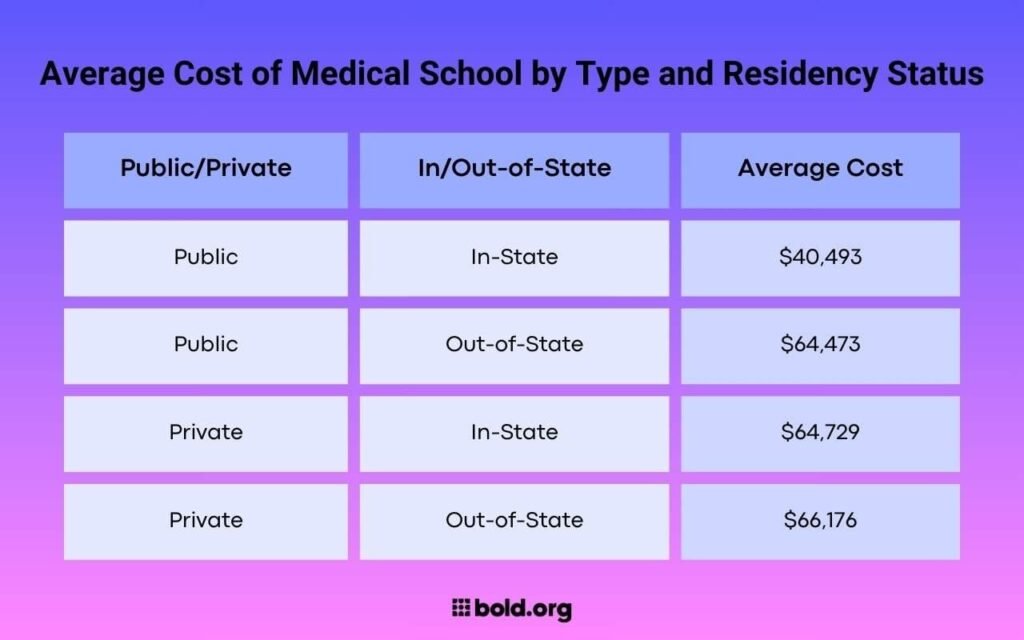
Tuition fees in the United States depend largely on whether the institution is public or private. Public universities generally offer lower tuition rates compared to private universities. However, for international students, the difference may not always be large because international tuition is typically higher than domestic rates.
Private universities often charge higher fees, especially well-known institutions such as Harvard University and Stanford University. Annual tuition at top private institutions can range from moderate to very high, depending on the program. Programs like medicine, law, and engineering usually cost more than arts or humanities.
In addition to tuition, students must pay other academic-related expenses. These may include registration fees, laboratory charges, textbooks, and technology fees. Health insurance is also mandatory for international students in most American universities, adding an extra financial responsibility.
Living Expenses in the United States
Living costs in the United States vary widely depending on the state and city. Major cities such as New York, Boston, and San Francisco are generally more expensive than smaller towns. Accommodation is usually the biggest expense. Students can choose between on-campus housing (dormitories) and off-campus apartments. On-campus housing may include meal plans, while off-campus living requires budgeting for groceries, utilities, and transportation.
Other regular expenses include transportation, internet, personal items, and entertainment. On average, living expenses can be substantial, especially in urban areas. However, students are often allowed to work part-time on campus, which can help manage daily costs. Scholarships and financial aid packages are also available at many institutions, which can significantly reduce tuition burdens.
Tuition Fees in the United Kingdom
In the United Kingdom, tuition fees for international students vary depending on the university and the course of study. Generally, undergraduate degrees last three years, which can reduce the total cost compared to the four-year system in the United States. Master’s programs often take only one year, making them more cost-effective overall.
Prestigious institutions such as University of Oxford and University of Cambridge may have higher tuition fees, especially for specialized programs like medicine or engineering. Courses in humanities and social sciences are often less expensive than science and technical programs.
Unlike the United States, the UK system usually does not require as many additional academic fees. However, students still need to budget for books, supplies, and possibly field trips or research materials.
Living Expenses in the United Kingdom
Living costs in the UK also depend on location. London is generally the most expensive city for students, while smaller cities such as Manchester, Birmingham, or Leeds are more affordable. Accommodation options include university halls of residence and private housing. Many students choose university-managed accommodation during their first year for convenience.
Monthly expenses typically include rent, food, transportation, mobile phone bills, and personal expenses. Public transportation in UK cities is well-developed, but costs vary depending on distance and usage. Students on a valid visa are usually allowed to work part-time during term time, which helps cover living expenses.
Comparing Overall Costs
When comparing the USA and UK, it is important to consider the total cost rather than just annual tuition. Although tuition fees in the USA can be higher, generous scholarships and financial aid may offset expenses. In the UK, shorter degree programs may reduce total tuition costs, but living expenses in major cities can still be high.
Students should also factor in currency exchange rates, visa fees, travel costs, and emergency funds. Careful financial planning and early scholarship applications can make studying in either country more affordable.
Conclusion
Both the United States and the United Kingdom offer outstanding educational opportunities, but the cost of studying requires thoughtful consideration. Tuition fees, living expenses, and additional costs vary depending on the university and location. By researching carefully, applying for scholarships, and creating a realistic budget, students can manage their finances effectively and focus on achieving their academic goals.